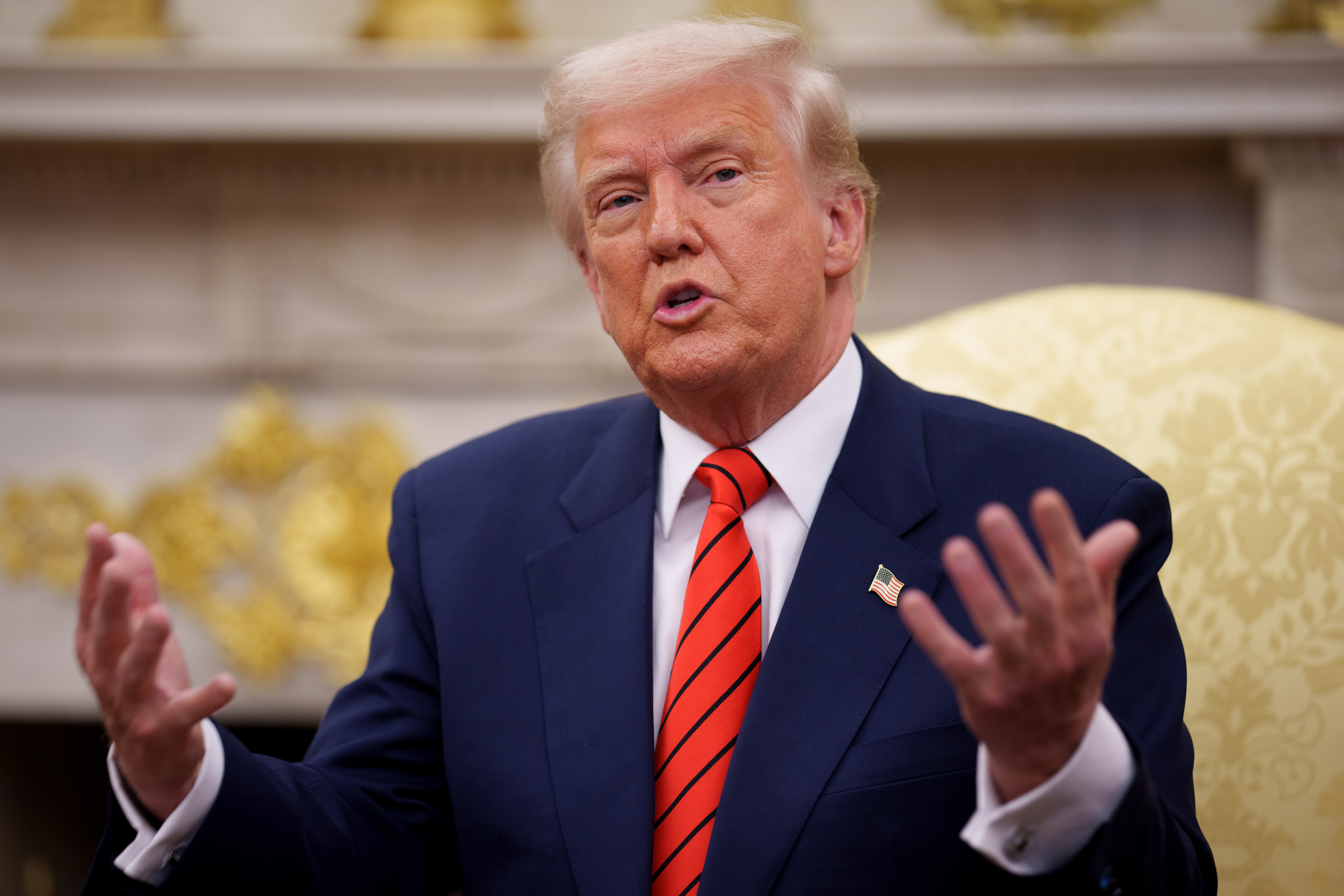
In response to an attack on National Guard members in Washington, D.C., President Donald Trump’s administration in the United States has announced a significant examination of the immigration status of all permanent residents, also known as Green Card holders, from Afghanistan and eighteen other nations.
The suspect in Wednesday’s shooting was named by U.S. officials as a 29-year-old Afghan native who had previously collaborated with American forces during American military operations in Afghanistan.
According to AfghanEvac, an organization that supports Afghans relocated in the United States after the Taliban’s civilian takeover in 2021, the suspect was reportedly awarded refuge earlier this year rather than permanent status.
In a post on 𝕏 on Thursday, Joseph Edlow, Director of U.S. Citizenship and Immigration Services, confirmed the decision and said the audit would cover all countries of concern.
“Every Green Card for every alien from every country of concern has been thoroughly reexamined,” Edlow declared.
The action comes after President Trump signed an executive order in June designating 19 countries as nations of identified concern.
Complete Prohibition and Partial Prohibition
According to reports, the executive order prevented almost all citizens of 12 of the 19 nations—including Afghanistan—from entering the US.
The nations where access is completely prohibited are:
As part of the new immigration audit, Green Card holders who are originated from these nations will now have their status reviewed:
Afghan Republic
Burma Chad
Congo-Brazzaville
Guinea-Equatorial
Guinea-Equatorial
Egypt
Iran Haiti
The Libya
The Somalian
The Sudan
The Yemen
Seven additional nations are subject to a partial immigration ban, though special provisions allowed temporary work visas.
These nations will also be examined for long-term residents:
The Burundi Republic
Cuba.
The Laos
South Africa
Togo.
Afghanistan
Venezuela.
Venezuela.
The White House and U.S. Citizenship and Immigration Services have not made the exact issues being looked into or the anticipated timeframe for the review process public.
The administration did, however, imply that the audit might cover other residency or visa issues related to military safety and national interest.