Dr. Paul Alaje, an expert on economic policy, has cautioned that Nigeria’s ongoing inflationary pressures and post-election economic instability are directly related to the unchecked influx of funds during election cycles. Speaking at a two-day training session at the Premium Times Training Academy in Abuja, the Chief Economist claimed that political spending practices had consistently depleted the country’s reserves and caused currency rate instability.
Nigeria’s debt service ratio has increased much over acceptable global standards, according to Alaje, who provided a thorough study of the country’s fiscal vulnerabilities. This is due to years of excessive borrowing without corresponding economic growth.
He claims that over the past ten years, Nigeria’s borrowing rate has increased by an average of 20% yearly, while the country’s economic growth has stayed at 3%, indicating that loans taken out during that time have had no discernible effect.
“We shouldn’t spend more than one-third of our income on debt repayment. Nigeria is significantly more than the guideline, which should be about 33.3%, he stated.
“The economic impact of borrowing at 20% should result in at least 6-7% GDP growth.” However, we have been recording less than 3% for a long time.
Alaje attributed the lackluster effect of borrowing to inefficient use of loan profits, claiming that too much of Nigeria’s debt-funded spending is diverted through corruption or goes into ongoing operations or administrative costs rather than being put toward profitable capital projects.
In order to improve borrowing circumstances, he encouraged the National Assembly to make sure that any new loans, whether federal or state, go directly into capital projects that have already been approved and have the potential to boost the economy.
“We are borrowing to fund consumption, not production, if our revenue projections cannot cover recurring expenditure,” he stated.
There are still administrative elements in our capital expenditures that do not transfer into infrastructure. Only essential infrastructure that increases productivity, such as roads and railroads, should be borrowed for.
He pointed out that Nigeria’s goal of becoming a $1 trillion economy by 2030 will necessitate 15–17% annual GDP growth, which can only be achieved if borrowing is linked to extensive infrastructure that boosts productivity both nationally and regionally.
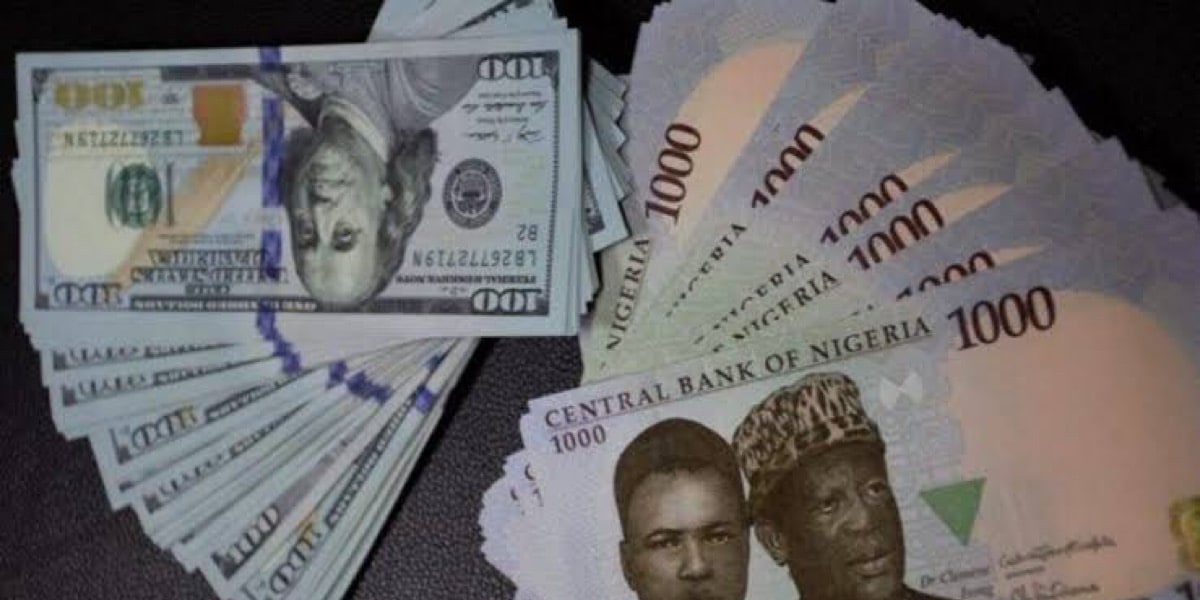
According to Alaje, massive dollar withdrawals and political cash transfers during election years are to blame for Nigeria’s frequent currency crises. Since 1999, this practice has exacerbated inflation and devalued the naira following each election cycle.
Since 1998, I have monitored election expenditures. “Dollar inflows into the economy always increase during elections,” he stated.
The three worst years were 2023, 2014, and 2010. By pumping dollars from the reserves into the Bureau de Change market, politicians cause exchange rate instability. Following elections, the economy starts to plummet.
Due to large financial infusions by political players, he said, the pre-election year frequently records the fastest economic growth. However, Nigeria sees a slowdown, instability, and spikes in inflation immediately following elections, which are exacerbated by shocks to the world economy.
“Prohibit the Use of Dollars in Elections”
Alaje suggested that the use of foreign currency in political campaigns be strictly prohibited by law in order to limit the harm.
“All election expenditures must be made in naira by the National Assembly and INEC,” he stated.
“The EFCC ought to have the authority to monitor and prosecute anyone who uses money to influence elections. After the elections, that is the only way to stabilize the economy.
Alaje added that coordinated regional economic zones, such as those in the Southwest and North-Central, would spur rapid industrialization akin to China’s growth model and urged governors to duplicate the infrastructural expansion saw in Lagos and Abuja throughout the country.